
Every year on December 1, the world comes together to observe World AIDS Day, a reminder of our shared responsibility to support those living with HIV, fight stigma, and spread awareness about prevention and treatment. For expecting mothers, this day carries an even deeper significance. It highlights the importance of early testing, timely treatment, and informed decisions during pregnancy to ensure the health and safety of both mother and baby. By understanding the facts and debunking myths, we empower more women to experience motherhood with confidence, dignity, and the best medical care available.
Pregnancy is a transformative phase filled with hope, anticipation, and countless questions. For mothers living with HIV/AIDS or those concerned about HIV during pregnancy, the journey can feel overwhelming, yet today, medical advancements have made it absolutely possible to have a safe pregnancy and give birth to a healthy baby.
This guide breaks down everything expecting mothers should know about pregnancy and AIDS, from transmission risks to treatment, labour management, and long-term care.
Understanding HIV/AIDS in Pregnancy
HIV (Human Immunodeficiency Virus) attacks the immune system and, if untreated, can progress to AIDS (Acquired Immunodeficiency Syndrome). When it comes to pregnancy, the most common concern is whether the infection can pass from mother to child.
The good news:
With proper medical care and treatment, the risk of transmission has dropped significantly.
For accurate guidance on HIV infection and management, refer to the World Health Organization’s recommendations : Click Here
How HIV Can Be Transmitted During Pregnancy
Without intervention, HIV can be transmitted in three stages:
- During pregnancy (in the womb)
- During labour or delivery
- Through breastfeeding
Modern medicine has made prevention extremely effective. Antiretroviral therapy (ART) suppresses viral load to undetectable levels, which drastically reduces transmission risk.
The Importance of Early HIV Testing in Pregnancy
Early testing is one of the most critical steps for a safe pregnancy. India’s National AIDS Control Organisation (NACO) recommends routine HIV screening as part of antenatal care.
Testing helps ensure:
- Early diagnosis
- Timely start of ART
- Reduced mother-to-child transmission (MTCT)
- Planning for safe delivery and breastfeeding
To know more: Click Here
Treatment: The Backbone of Safe Pregnancy With HIV
Antiretroviral Therapy (ART) is the cornerstone of HIV management during pregnancy. ART is a combination of medications that stop the virus from multiplying in the body. When taken consistently, these medicines reduce the amount of virus (viral load) in the bloodstream to levels so low they cannot be detected in standard tests. ART is safe during pregnancy, and modern regimens are specifically designed to protect both mother and child without affecting fetal growth or development. The earlier ART is started, the better the outcomes, however, even mothers who begin treatment later in pregnancy can significantly reduce transmission risk.
Once diagnosed, ART should begin immediately, regardless of CD4 count. Consistent treatment:
- Reduces viral load
- Strengthens the immune system
- Minimises transmission risk
- Keeps both mother and baby healthy
In most cases, a mother on effective ART with an undetectable viral load can have a normal vaginal delivery, unless there are other complications.
Can a Mother With HIV Breastfeed?
Breastfeeding recommendations vary globally.
In many countries, exclusive breastfeeding is allowed if the mother is on ART and maintains an undetectable viral load.
However, mixed feeding, breastfeeding plus formula can increase transmission risk and should be avoided without medical guidance.
Always follow your doctor’s advice, as guidelines may differ depending on the region.
Labour and Delivery: What Expecting Mothers Should Know
Labour can be a vulnerable period for HIV transmission, but proper care significantly reduces risk.
1. Controlled viral load = safer delivery
If the mother’s viral load is undetectable, the chance of transmission during labour becomes extremely low.
2. Vaginal delivery is possible
A caesarean section (C-section) is recommended only when the viral load is high.
3. Pain management during labour
HIV-positive mothers can use most forms of pain relief safely.
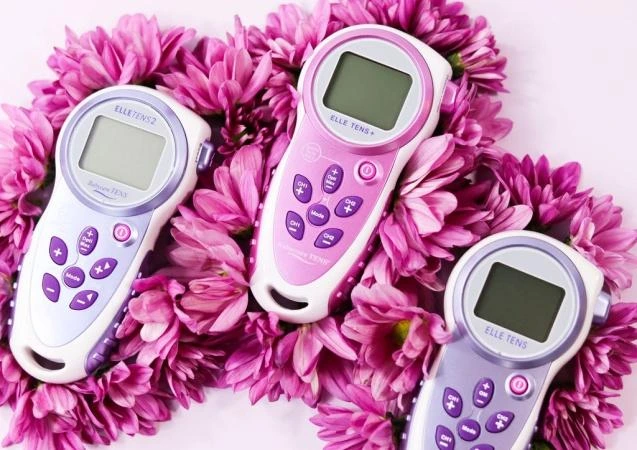
This includes Elle TENS, a natural, drug-free pain relief method placed on the lower back to manage contractions.
It is completely safe for mothers with HIV and avoids interactions with medications.
Learn more about Elle TENS for labour pain relief: Click Here
Emotional and Mental Health Support
A diagnosis of HIV during pregnancy can be emotionally challenging. Many mothers experience fear, guilt, or anxiety.
Support can come from:
- Partner and family
- Counsellors
- HIV support groups (local or online)
- Medical professionals
Emotional well-being is as important as physical health in ensuring a safe pregnancy.
To know more : Click Here
Protecting the Baby After Birth
After delivery, newborn care protocols reduce any remaining transmission risk:
- The baby may receive antiretroviral medication for several weeks
- Regular HIV testing (PCR tests)
- Monitoring for growth and development
With proper care, almost all babies of HIV-positive mothers are born HIV-negative.
Preventing HIV in Pregnancy: Key Steps
Even HIV-negative mothers must stay cautious, as pregnancy can increase susceptibility to infections.
Ways to prevent HIV during pregnancy:
- Use protection during intercourse
- Ensure partner testing
- Avoid sharing sharp objects
- Consider PrEP (Pre-Exposure Prophylaxis) if at high risk
- Maintain regular antenatal checkups
Myths About Pregnancy and AIDS
Many misconceptions still surround HIV in pregnancy:
Myth 1: All HIV-positive mothers will pass HIV to their baby.
Fact: With ART, the risk can be very less.
Myth 2: HIV-positive mothers cannot have a vaginal delivery.
Fact: They can, if viral load is controlled.
Myth 3: Labour pain relief options are limited.
Fact: Most mothers with HIV can use the same pain relief methods including Elle TENS as other mothers.
Frequently Asked Questions (FAQs)
1. Can an HIV-positive woman have a healthy baby?
Yes. With proper treatment and regular antenatal care, the chance of HIV transmission to the baby becomes extremely low.
2. Is breastfeeding safe for HIV-positive mothers?
It can be safe if the mother is on ART and has an undetectable viral load. However, feeding decisions must always be guided by a doctor based on current national guidelines.
3. Is Elle TENS safe for HIV-positive pregnant women?
Yes. Elle TENS is a completely drug-free pain relief option for labour. It does not interfere with HIV medications or increase transmission risk.
To know more : Click Here
Conclusion
Motherhood should be a joyful experience, and today, HIV does not have to stand in the way. With timely testing, consistent ART, and proper care during pregnancy, labour, and breastfeeding, mothers living with HIV can enjoy a safe pregnancy and welcome a healthy baby.
Tools like Elle TENS can further support expecting mothers by offering natural, safe, and effective labour pain relief, allowing them to focus on what truly matters, bringing new life into the world.